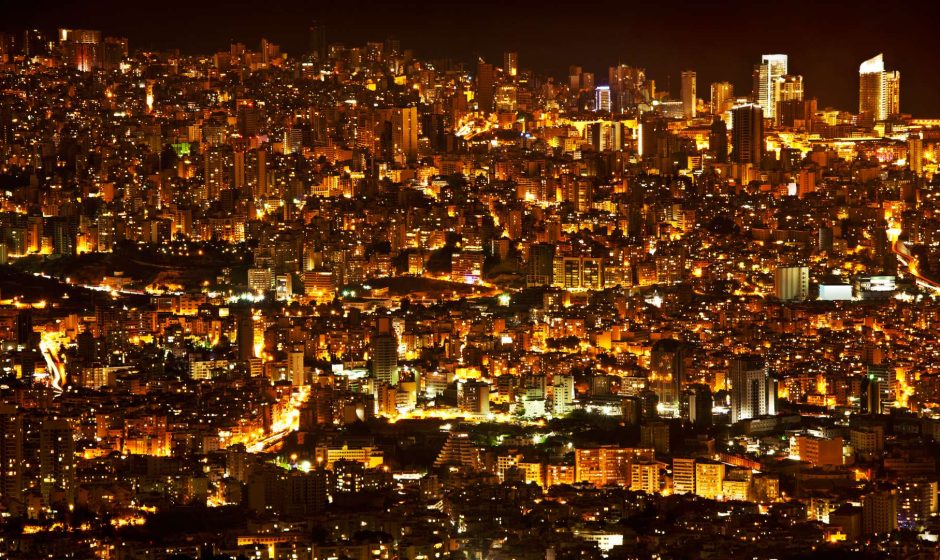

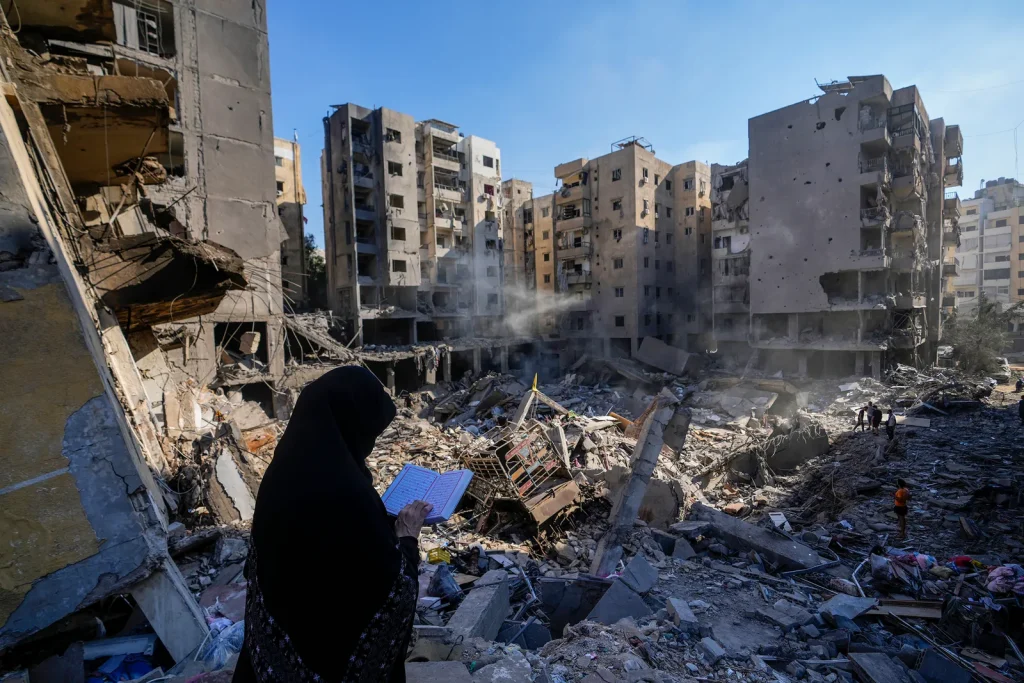
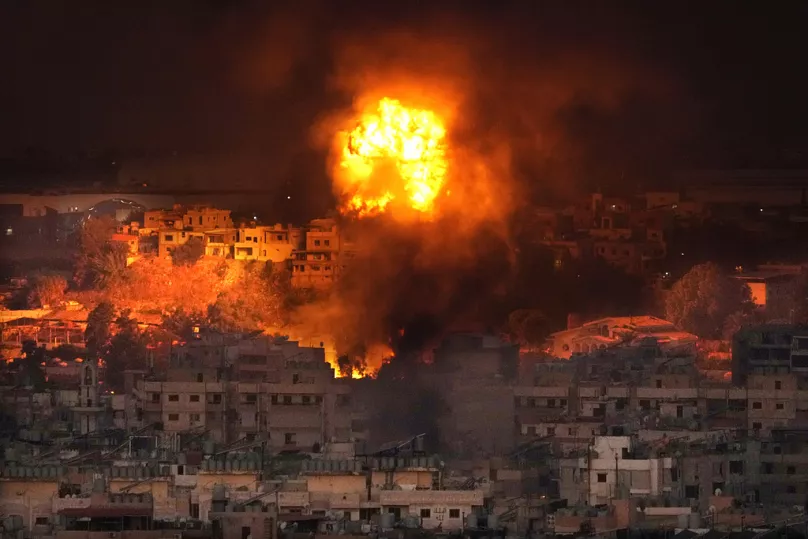
As the Israeli war disrupted lives across southern Lebanon, the Bekaa, and the southern suburbs, Beirut emerged as a sanctuary of hope and humanity. Schools in the capital flung their doors open, private homes welcomed those in need, and the city’s people united in an extraordinary show of compassion. But now, as calm begins to return, one question lingers: will Beirut and its people be rewarded for their unparalleled kindness and resilience?
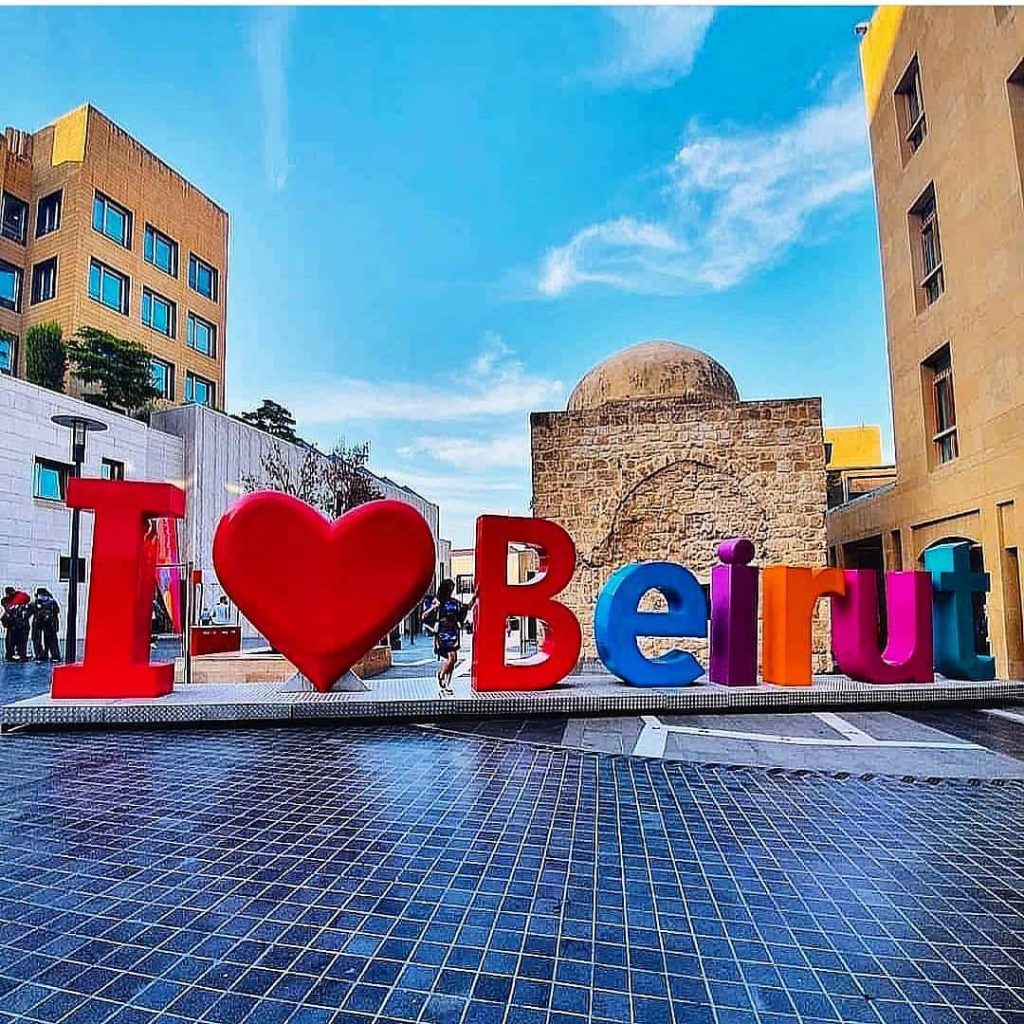
The Heart of Beirut: A Refuge Amidst Crisis
How Beirut Embraced Families in Need
When the war sent shockwaves through southern Lebanon and beyond, thousands sought refuge in Beirut. Families escaping Israeli airstrikes and destruction found solace in the city’s schools, repurposed as temporary shelters.
- Public Schools: Many schools suspended regular activities, transforming into safe havens equipped with food, bedding, and medical assistance.
- Private Homes: In an unprecedented act of generosity, Beirut residents opened their homes to host families, offering not just shelter but emotional support during a time of unimaginable stress.
The Role of Local Communities
Neighborhood committees sprang into action, coordinating aid efforts. Volunteer networks ensured essentials were delivered, from meals to clothing. The unity displayed in this period reaffirmed Beirut’s historical role as a city of refuge.
Will Beirut’s Generosity Be Recognized?
The Sacrifices of a City
While Beirut welcomed the displaced with open arms, the strain on its infrastructure was immense. Schools paused their educational programs, private households stretched their resources thin, and local NGOs worked tirelessly, often without adequate funding.
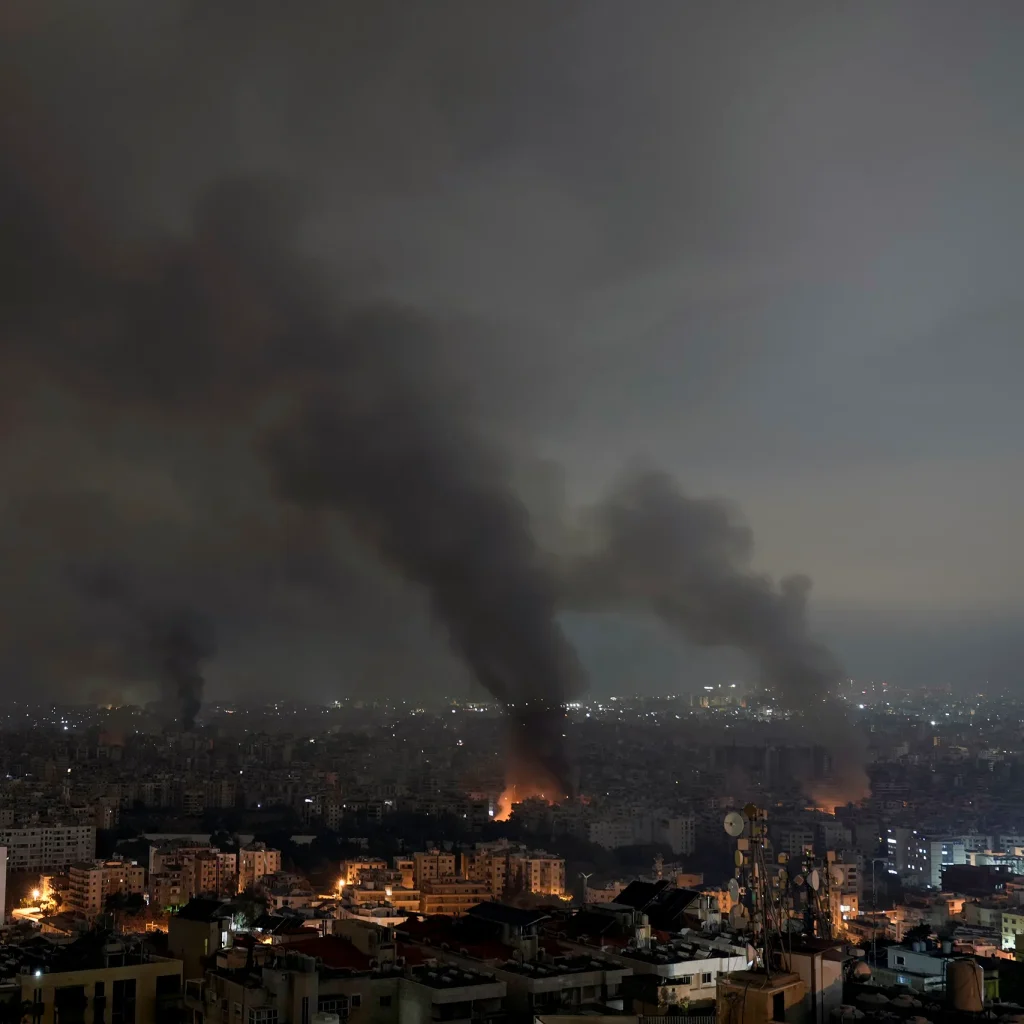
The Call for Recognition and Support
Now that the immediate crisis has subsided, the global community must acknowledge Beirut’s sacrifices. Recognition could come in various forms:
- Government Support: Additional funding for the city’s schools and public infrastructure to rebuild and recover.
- International Aid: NGOs and international organizations can channel resources to help Beirut overcome the economic and social challenges resulting from its humanitarian efforts.
- Cultural Acknowledgment: Highlighting Beirut’s role in global forums could enhance its standing as a city of resilience and compassion.
Lessons for the Future
Beirut’s response during the war underscores the importance of preparedness and solidarity. To better manage future crises, Lebanon could consider the following:
- Strengthening Public Infrastructure: Ensuring schools and public facilities are equipped for dual purposes—education and emergency shelter.
- Building Volunteer Networks: Institutionalizing community-based organizations for more efficient aid delivery.
- Encouraging Philanthropy: Incentivizing private contributions to crisis management funds.
The Road Ahead for Beirut
As families return to their homes, the legacy of Beirut’s generosity lives on. The city’s efforts deserve recognition not only as a historical moment of compassion but as a blueprint for humanity in times of crisis.