
The 2024 Lebanon ceasefire between Israel and Hezbollah has initiated a cautious return to normalcy for thousands of displaced families in southern Lebanon. After 14 months of devastating conflict, the fragile truce, brokered by the United States, offers a glimmer of hope. Yet, concerns remain about the sustainability of peace, as tensions persist on both sides of the border.
This agreement, which includes a 60-day staged withdrawal of forces and the establishment of new monitoring mechanisms, could set the stage for regional stability—or lay the groundwork for renewed hostilities.

The Human Impact of the 2024 Lebanon Ceasefire
Families Return Amid Warnings
Lebanon’s highways were packed on Wednesday with vehicles loaded with families and belongings as displaced residents cautiously made their way back to southern villages. The Israeli military has warned civilians to stay away from restricted areas, citing security risks, while the Lebanese army has urged people to avoid frontline regions near the UN-drawn “blue line.”
For many, the journey home is bittersweet. “We are returning to rubble,” said one displaced resident, Fatima, whose family fled their home in Tyre nearly a year ago. “We have no choice but to rebuild, even though we fear the fighting might start again.”

The Toll on Civilians
The conflict has left thousands of civilians dead and displaced tens of thousands more. On Tuesday alone, Israeli airstrikes targeted southern Lebanon and Beirut, killing 42 people in a final escalation before the ceasefire took effect. Meanwhile, Hezbollah’s rocket attacks on Israeli cities have caused casualties and widespread destruction.
For families returning to southern Lebanon, the task of rebuilding lives and homes will be daunting, with infrastructure devastated and resources scarce.

The Terms of the Ceasefire Agreement
1. Staged Withdrawal of Forces
The ceasefire mandates a 60-day phased withdrawal:
- Israeli forces will pull out of southern Lebanon, where they have conducted ground operations.
- Hezbollah will relocate its fighters and heavy weaponry north of the Litani River, approximately 25 km from the Israeli border.
2. Monitoring and Oversight
The US-led supervisory mechanism will oversee compliance, mediating any violations to prevent escalation. This mechanism includes representatives from the UN, the Lebanese army, and international observers.
3. Restrictions on Movement
A strict curfew has been imposed in southern Lebanon, with the Israeli military warning civilians against unauthorized movements near restricted zones. Violators risk engagement by Israeli forces, which remain stationed in the region during the withdrawal period.
Military and Political Reactions
Lebanon’s Military Deployment
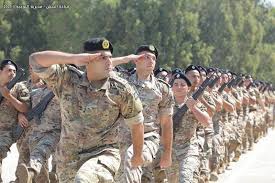
The Lebanese army has taken significant steps to enforce the ceasefire terms, deploying additional troops to the South Litani sector. In a statement, the military confirmed its coordination with UN peacekeepers to extend state authority in the region.
Hezbollah’s Stance
Hezbollah has suffered its heaviest losses since its formation, with much of its leadership wiped out and its military infrastructure severely degraded. Despite this, the group is framing the ceasefire as a victory. Supporters celebrated in southern Beirut, waving Hezbollah flags and firing guns into the air.
Israel’s Response
In Israel, reactions to the ceasefire are mixed. Prime Minister Benjamin Netanyahu, who endorsed the deal after cabinet approval, emphasized that any violations would be met with a strong response. However, right-wing factions and residents of northern Israel have criticized the agreement, expressing doubts about relying on Lebanese and UN forces to prevent Hezbollah’s return to the border buffer zone.
The Broader Regional Context
Impact on the Gaza Conflict
While the 2024 Lebanon ceasefire marks a significant development, it does not extend to Gaza, where the conflict between Israel and Hamas continues unabated. Efforts to broker a truce in Gaza have repeatedly failed, with Israeli airstrikes targeting Hamas militants and civilian infrastructure.
US President Joe Biden acknowledged the delinking of the two conflicts, stating that the Lebanon ceasefire provides a foundation for broader peace efforts in the region. However, the ongoing violence in Gaza complicates these aspirations.

Iran’s Role
Iran, a key ally of Hezbollah, has welcomed the ceasefire as a victory against “Israeli aggression.” In a statement, Iran’s foreign ministry reiterated its support for Lebanon’s government and resistance movements. Analysts suggest that Iran’s backing of Hezbollah will remain a significant factor in the region’s stability.
Challenges to Sustaining Peace
Skepticism on Both Sides
Both Israel and Hezbollah remain wary of the ceasefire’s long-term viability. Israeli residents of northern towns, many of whom were displaced during the conflict, are hesitant to return. “We believe the fighting will restart, whether in a month or a year,” said Gabby Neeman, mayor of the northern town of Shlomi.
In Lebanon, returning families face not only the physical devastation of their homes but also uncertainty about future stability.
UNIFIL’s Role and Limitations
The United Nations Interim Force in Lebanon (UNIFIL) will play a critical role in monitoring the ceasefire, but its effectiveness has been questioned in the past. Critics argue that without stronger enforcement mechanisms, violations by either side could quickly escalate into renewed conflict.

The Economic Impact of the Conflict
Lebanon’s Struggling Economy
The conflict has further strained Lebanon’s already fragile economy. Reconstruction efforts will require significant international assistance, as the government grapples with a financial crisis that has left many without basic services.
Israel’s Economic Strains
In Israel, the prolonged conflict has placed a heavy burden on the economy, with military expenses and disruptions in northern regions impacting key industries. The ceasefire offers a reprieve, but economic recovery will depend on maintaining stability.
Pathways to Lasting Peace
The 2024 Lebanon ceasefire offers an opportunity to break the cycle of violence that has plagued the region for decades. However, achieving lasting peace will require:
- Strengthened Oversight: Enhanced monitoring mechanisms to ensure compliance by all parties.
- International Support: Economic and diplomatic assistance to rebuild Lebanon and stabilize the region.
- Addressing Root Causes: Tackling the underlying issues driving the conflict, including territorial disputes and political divisions.
What do you think about the 2024 Lebanon ceasefire? Can it pave the way for lasting peace, or will tensions reignite? Share your thoughts in the comments below or join the conversation on social media.