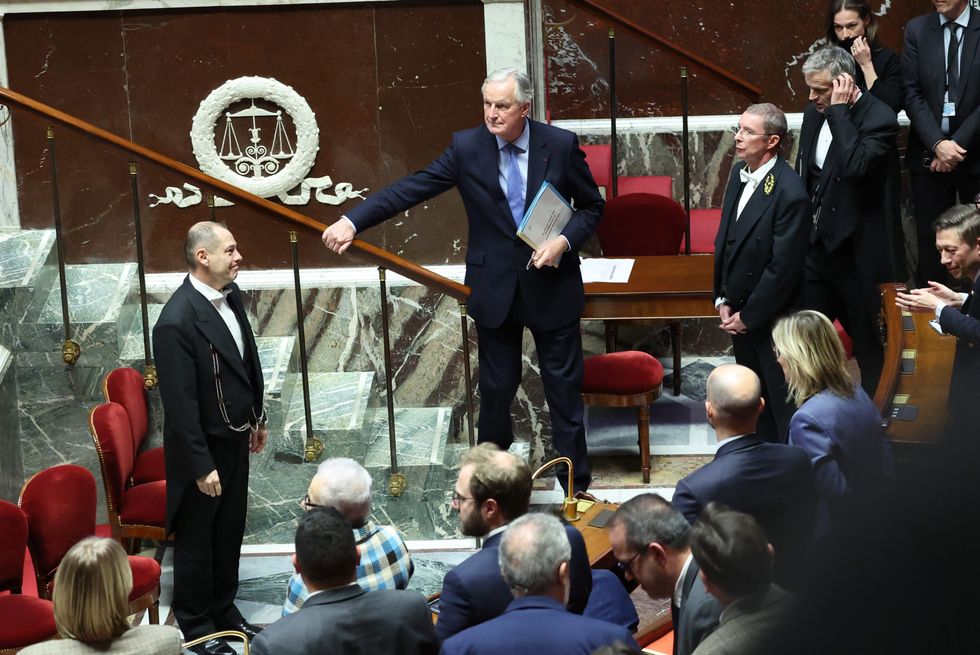
France has entered a new political storm after the National Assembly voted no confidence in Prime Minister François Bayrou on September 8, 2025. His government collapsed only nine months after taking office, marking the second French government to fall in less than a year. The final vote was 364 against 194, a clear rejection that pushed Bayrou out of power.
Why Bayrou Was Rejected
The downfall came after Bayrou presented a strict austerity budget. His plan included €44 billion, about $52 billion in spending cuts and tax increases. He defended the measures as a “rescue plan” for the struggling French economy. However, the proposal united both the far-left and far-right against him, leaving his government politically isolated and unable to survive.
A First in French Politics
Bayrou made history by becoming the first French prime minister in modern times to lose power through a confidence vote he himself called, instead of falling to a traditional no-confidence motion. This unusual move backfired, turning into a dramatic constitutional precedent and deepening the sense of instability in French politics.
Reactions Across the Spectrum
Political rivals seized the moment. Far-right leader Marine Le Pen demanded snap elections, calling Bayrou’s exit “the end of a phantom government.” On the other side, leftist leader Jean-Luc Mélenchon argued that President Emmanuel Macron should also step down, saying the government no longer represents the people. Both camps see the crisis as proof of Macron’s weakening authority.
What Comes Next for France
Bayrou is expected to formally resign on September 9. President Macron must now appoint a new prime minister/his fifth since early 2024/. The incoming leader will immediately face the urgent challenge of passing a budget in a divided parliament. With both left and right forces unwilling to compromise, France risks sliding further into political gridlock at a time when stability is badly needed.